20 Baby Boy Nursery Ideas Moms Are Obsessed With
Bringing a new baby into the world is exciting — and designing their nursery is one of the most joyful parts of preparing for their arrival. 🥰 But in 2025, baby boy nursery ideas have moved far beyond the old “blue walls + sports theme” formula. Today’s parents want spaces that feel calming, functional, stylish, and adaptable enough to grow with their child.

Modern nursery design focuses on more than aesthetics — it prioritizes comfort, safety, sustainability, and long-term practicality.
Whether you’re working with a full bedroom, a compact corner of your apartment, or you’re decorating on a tight budget, the right design can help you create a nurturing environment that supports better sleep, smoother routines, and a sense of peace in those early months.
In this guide, you’ll find up-to-date 2025-2026 baby boy nursery trends, fresh design themes, and practical tips that go deeper than basic inspiration.
Instead of just presenting pretty photos, this article will walk you through how to choose the right style for your home, what to consider for safety and functionality, and how to create a space that truly works for your growing family. 🤗
20 Baby Boy Nursery Ideas Moms Are Obsessed With
2025–2026 Nursery Design Trends (What’s Actually Popular Now)
Nursery design is evolving fast. What felt “modern” a few years ago can already feel dated. As of 2025–2026, many families and interior-design experts are embracing a new set of aesthetic and practical values. If you want your nursery ideas to feel fresh, timeless, and useful — these are the trends worth leaning into. 😛
What’s trending now
1. Earthy, Neutral & Nature-Inspired Palettes
Gone are the days when “baby-boy nursery = blue.” Today, palettes favor soft, calming, nature-inspired hues — sage green, warm taupe or clay, muted moss, misty blue, and gentle neutrals like cream, beige or “mushroom grey.” 🤩
These colors offer a soothing, gender-neutral base that can grow with your child. They also pair beautifully with natural wood, wicker, rattan, or linen — giving rooms a grounded, “bring the outdoors in” feel.
2. Sustainable, Natural & Baby-Safe Materials
More parents are opting for furniture and décor made from solid wood, rattan or bamboo, organic cotton, and non-toxic paint finishes — avoiding cheap plastics or harsh chemicals.
These choices reflect growing awareness about environmental impact — and concern for a baby’s health and comfort. They also tend to be more durable and age-well (so pieces can be kept or reused later). 😇
3. Minimalist & Functional / Multi-Purpose Design
Rather than cramming a nursery with purely decorative stuff, 2025 favors simplicity, functionality, and flexibility. Many nurseries now include convertible furniture (crib → toddler bed), dressers that double as changing tables, modular storage, and multipurpose furnishings. 🥰
This helps especially in small rooms or homes where space is limited — and ensures the nursery adapts as the child grows.
4. Textural Layers and Natural Textiles
To avoid a bland “sterile” baby room, there’s a push for layered textures — woven baskets, knitted rugs/blankets, linen curtains, soft cotton or wool textiles, macramé or rattan décor.
The result: a cozy, warm, tactile environment — soothing for both baby and parents, and visually rich without being overwhelming. 🫣
5. Personalised, Meaningful & “Heirloom-Friendly” Décor
Rather than purely generic baby-theme décor, many parents now prefer personalised touches: name plaques, custom wall art, handcrafted mobiles or décor items, and pieces that can transition with the child — from babyhood into toddlerhood and beyond.
This trend reflects a shift toward thoughtful, meaningful design rather than trendy or disposable décor. 😲
6. Soft Minimalism / Calm & Timeless Aesthetic Over “Fussy Themes”
The broader interior-design world is leaning toward what many call “warm minimalism” — clean lines, uncluttered spaces, and calm palettes, but softened with warm materials, texture, and personal touches. 🤠
For a nursery, this translates into a space that feels peaceful and timeless — not overstimulating for baby, yet still stylish and modern.
Why These Trends Matter (for New Nursery Designs)
- Longevity & growth — Neutral and natural palettes plus timeless furniture means you won’t need to re-decorate when the baby becomes toddler or older.
- Health & safety — Natural and non-toxic materials reduce exposure to potential chemical irritants; breathable, natural textiles support better sleep comfort.
- Versatility & adaptability — Multipurpose furniture and flexible design make the nursery usable in different spaces (small apartment, shared room, etc.).
- Comfort & well-being — Textures, layering, calming color palettes, and simple layouts help create a soothing environment — good for baby and parents.
- Sustainability & meaning — Prioritizing quality over mass-produced “cute” stuff encourages responsible consumption and the creation of heirloom-quality spaces that feel personally significant.
2025-2026 Trending Baby Boy Nursery Mood Boards 🎨 (Use These Color Palettes to Start Planning)
Download “2025-2026 Trending Baby Boy Nursery Mood Boards” – Downloaded 1710 times –Modern Baby Boy Nursery Themes (20 Fresh Ideas + Pros & Cons)
Choosing a theme is often the most exciting part of designing a baby boy’s nursery. But instead of recycled ideas like “sports” or “blue whales,” today’s parents are leaning toward themes that feel calming, stylish, neutral, and meaningful — with a focus on longevity. 🥰
🌿 1. Woodland / Forest
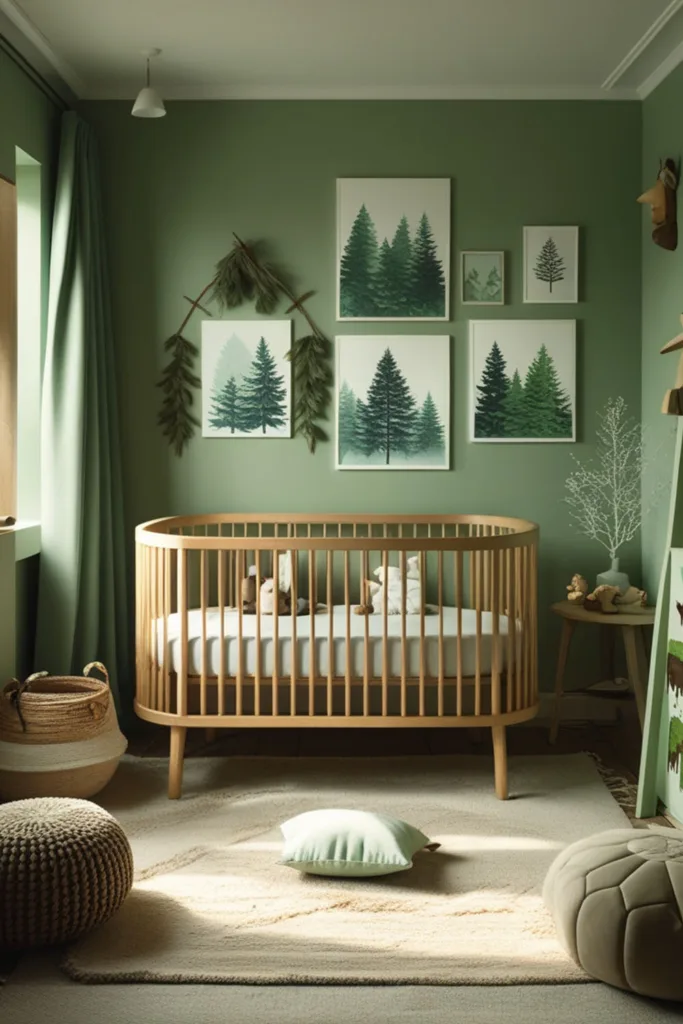
A soothing, nature-inspired nursery featuring greens, warm woods, and adorable forest creatures.
This theme blends calm Scandinavian minimalism with cozy textures, creating a nurturing environment perfect for sleep and bonding. 🫣
Woodland designs feel timeless, neutral, and effortlessly stylish, making them ideal for families wanting a peaceful and organic aesthetic.
Pros: Calming, gender-neutral, easy to style with textures.
Cons: Dark greens can overwhelm small rooms.
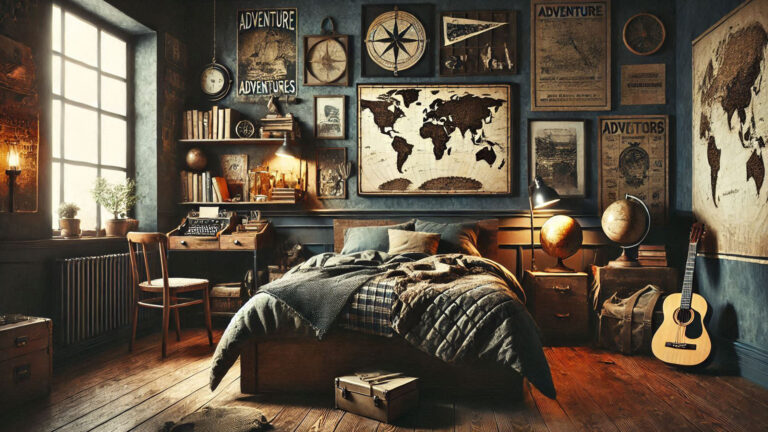
✈️ 2. Adventure / Travel
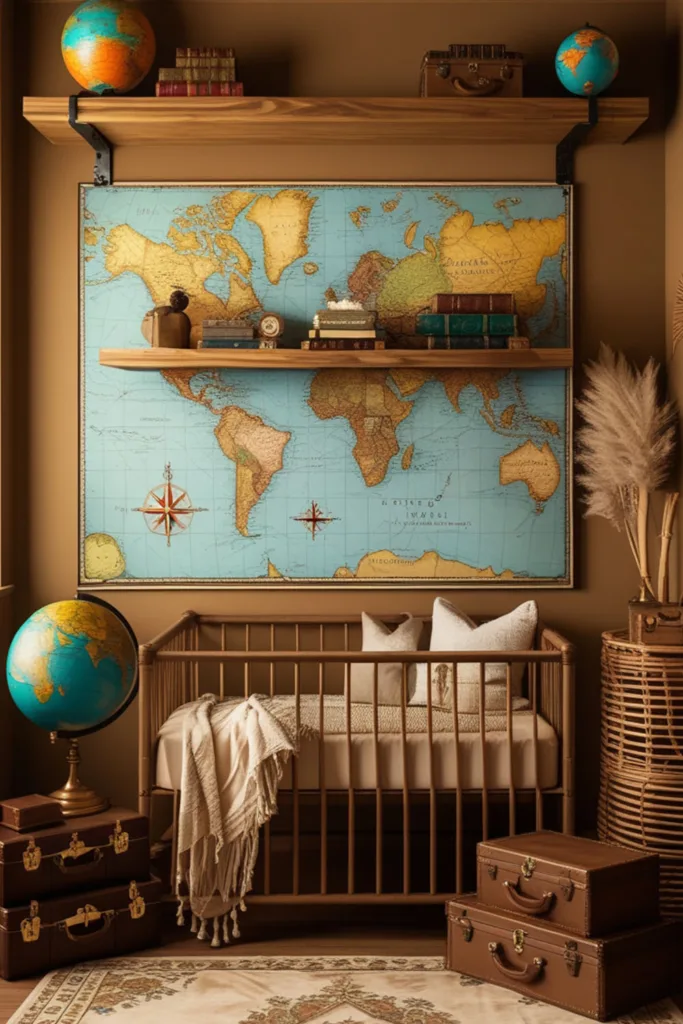
An inspiring space filled with maps, globes, and explorer touches that spark a sense of curiosity. 🤔
This theme grows beautifully with your child, transitioning easily into toddler and school years.
Its warm, vintage-inspired details balance charm and sophistication, making it perfect for parents who love meaningful, imaginative design.
Pros: Grows well into toddlerhood + childhood.
Cons: Can feel busy if over-decorated.
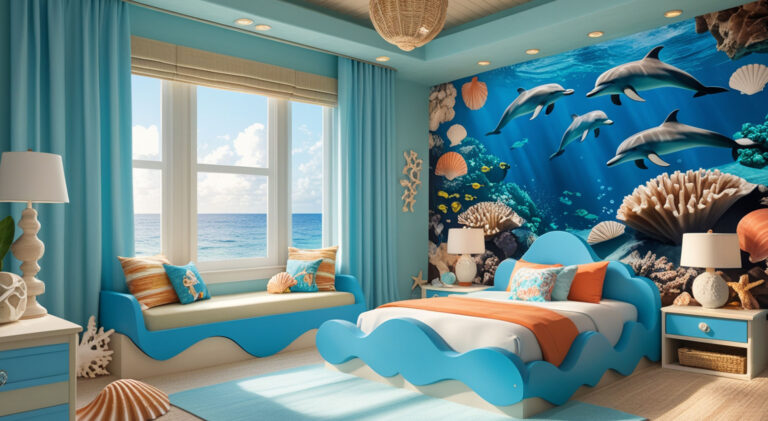
🌊 3. Modern Coastal
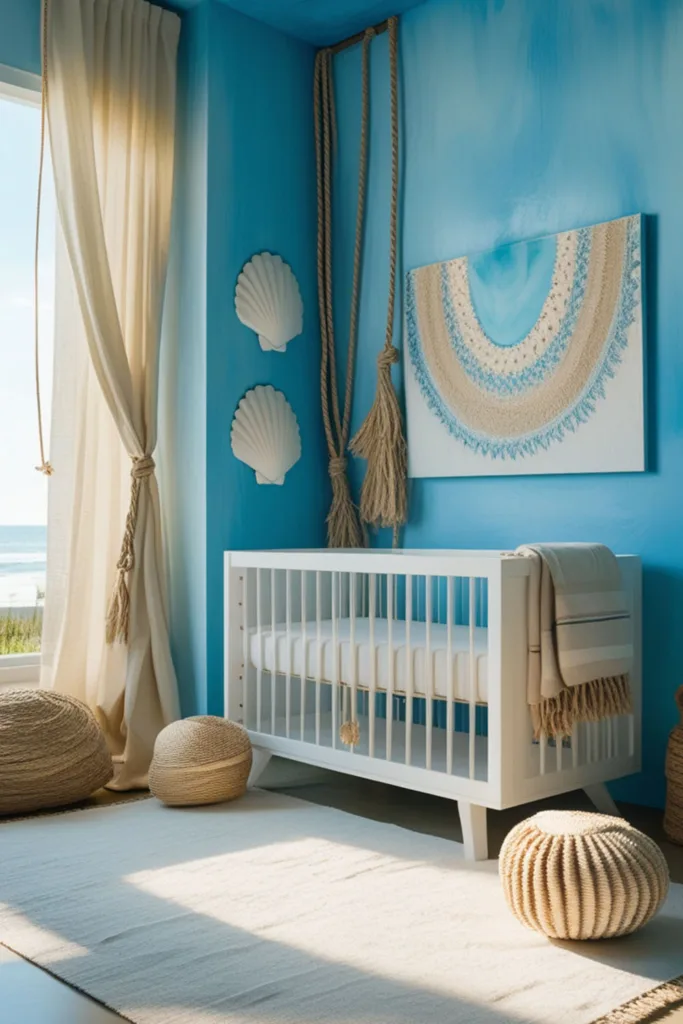
Soft blues, sandy neutrals, and airy textures create a refreshing coastal escape. 💙
Modern coastal nurseries feel light, serene, and timeless—never cheesy or overly nautical.
With natural fibers and gentle seaside tones, this theme brings calming ocean vibes into the room, making it perfect for relaxed, sleep-friendly spaces.
Pros: Fresh, light, and timeless; perfect for airy spaces.
Cons: Avoid overly nautical clichés (anchors, sailor hats).
💤 4. Soft Minimalist / Scandinavian

A clean, calming nursery that prioritizes simplicity and functionality. 🤗
Scandinavian design uses warm woods, gentle neutrals, and natural textures to create a peaceful, uncluttered environment ideal for sleep.
This theme maximizes small spaces while maintaining a modern, timeless aesthetic parents love.
Pros: Calm, great for sleep, works in small rooms.
Cons: Needs texture to avoid feeling bare.
🧸 5. Classic Teddy Bear
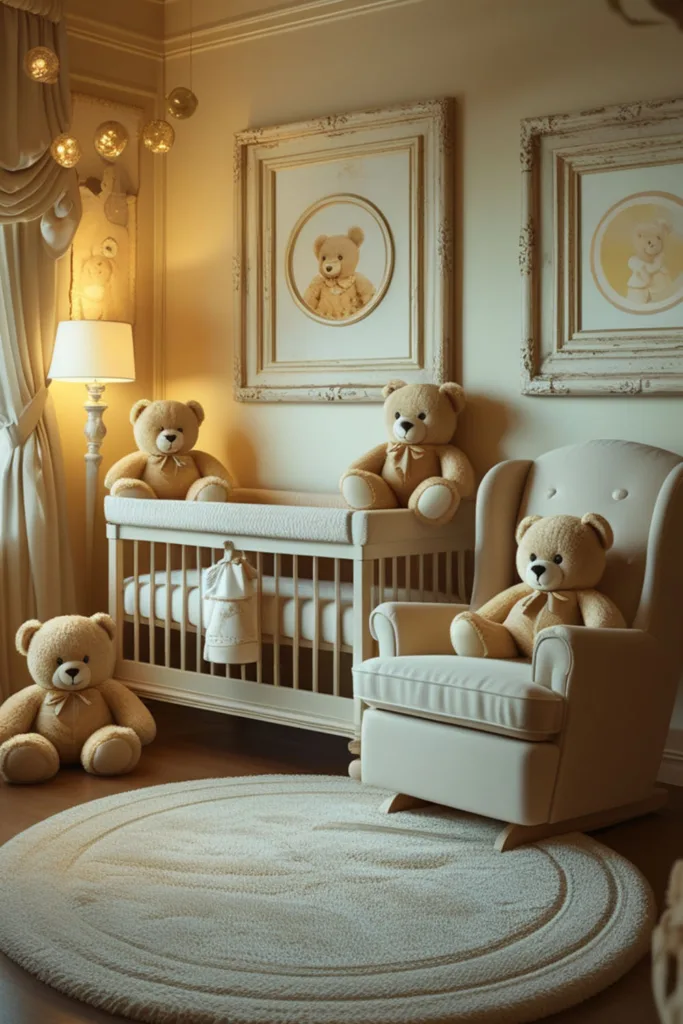
A nostalgic yet modern take on the beloved teddy bear theme. 😲
Soft browns, creams, and plush details create a comforting, timeless space.
This theme blends childhood charm with updated styling, making it feel warm and inviting without being overly babyish.
Pros: Gentle, nostalgic, universally loved.
Cons: Can feel too baby-specific unless styled modernly.
🌵 6. Desert Boho

Warm, earthy colors and natural textures make this theme feel grounded and stylish. 😇
Desert Boho combines modern design with organic elements like rattan, dried florals, and terracotta tones.
It’s perfect for parents who want a cozy, trendy nursery filled with warmth and personality.
Pros: Super on-trend; rich in warm textures.
Cons: Can feel too trendy for parents who prefer classic style.
☁️ 7. Sky & Clouds / “Dreamy Sleep”
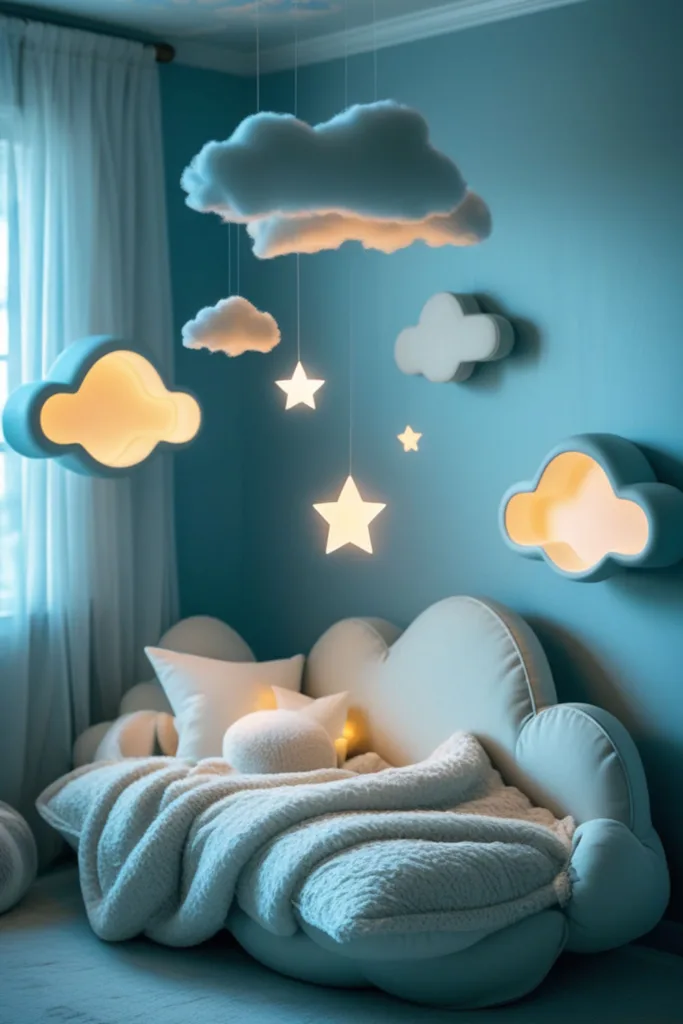
Designed for peaceful sleep, this airy theme uses soft blues, cloud motifs, and gentle lighting to create a dreamy environment. 😁
It’s soothing, simple, and perfect for settling bedtime routines.
Sky-themed spaces feel timeless and gender-neutral while maintaining a magical, whimsical quality.
Pros: Excellent theme for sleep-focused design.
Cons: Needs variation so it doesn’t look flat.
🐘 8. Safari / Gentle Animals
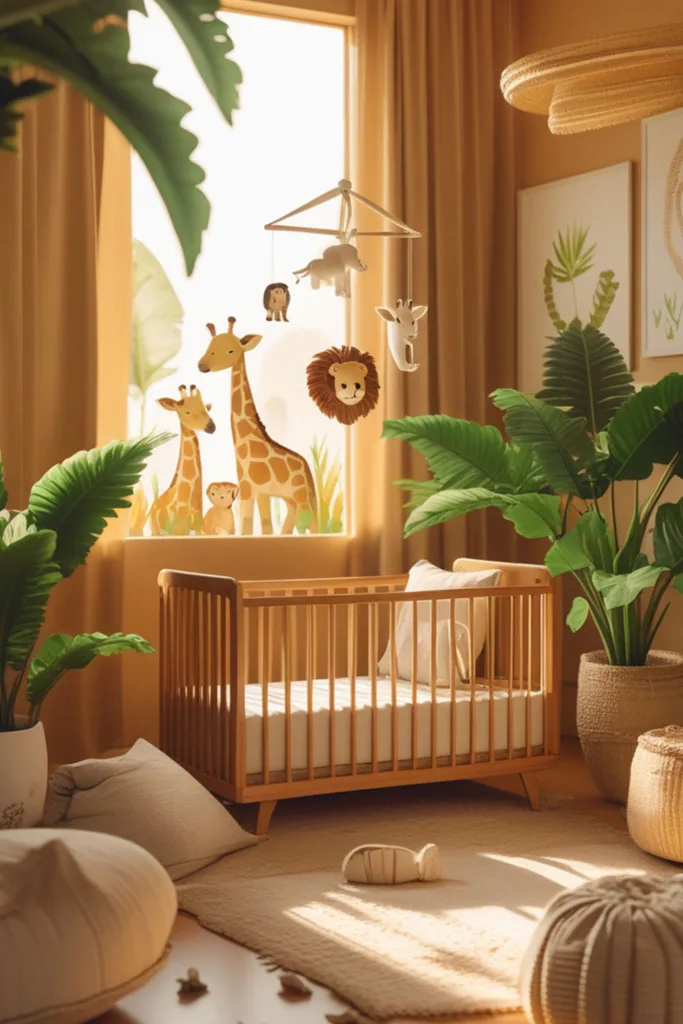
A gentle safari theme combines soft neutrals with adorable animal artwork, creating an adventurous yet calming space. 😮
This updated take avoids bold primary colors, opting for muted earth tones and natural materials.
It’s playful, beautiful, and long-lasting.
Pros: Fun but still calming; great for storytelling.
Cons: Avoid bold primary colors to keep it modern.
✨ 9. Celestial / Moon & Stars
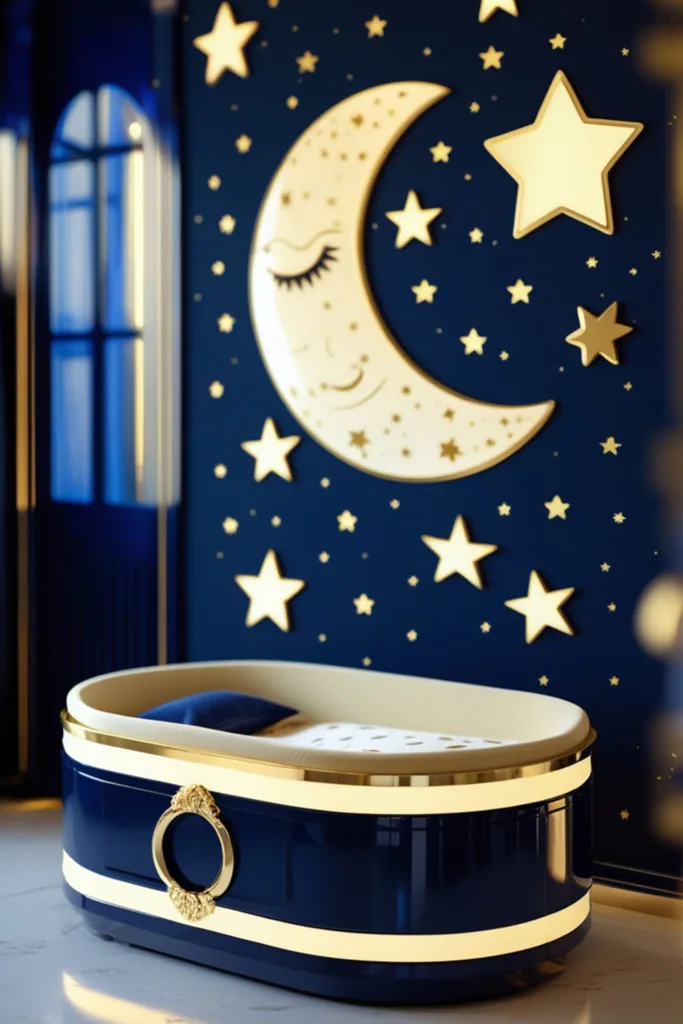
A magical, night-sky–inspired nursery featuring moons, stars, and deep calming blues. 🥰
Gold accents add warmth and whimsy, creating a space that feels both enchanting and serene.
This theme transitions effortlessly as your baby grows, making it a long-term favorite.
Pros: Magical, gender-neutral, grows with baby.
Cons: Dark tones must be balanced with light neutrals.
🧩 10. Montessori-Inspired
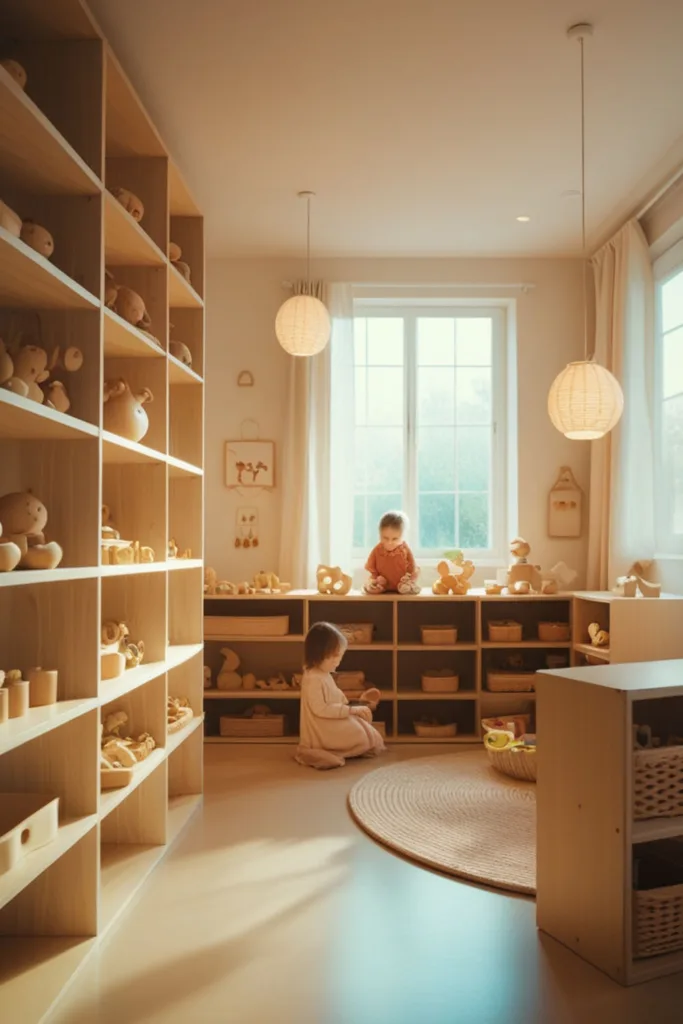
A functional, child-centered nursery designed around independence and calm. 🤠
Montessori rooms use low shelves, accessible toys, and natural materials to support early development.
The minimalist design reduces visual clutter, helping babies feel secure and focused.
Pros: Practical, development-focused, minimalist.
Cons: Requires more intentional organization.
🍃 11. Botanical / Nature-Inspired
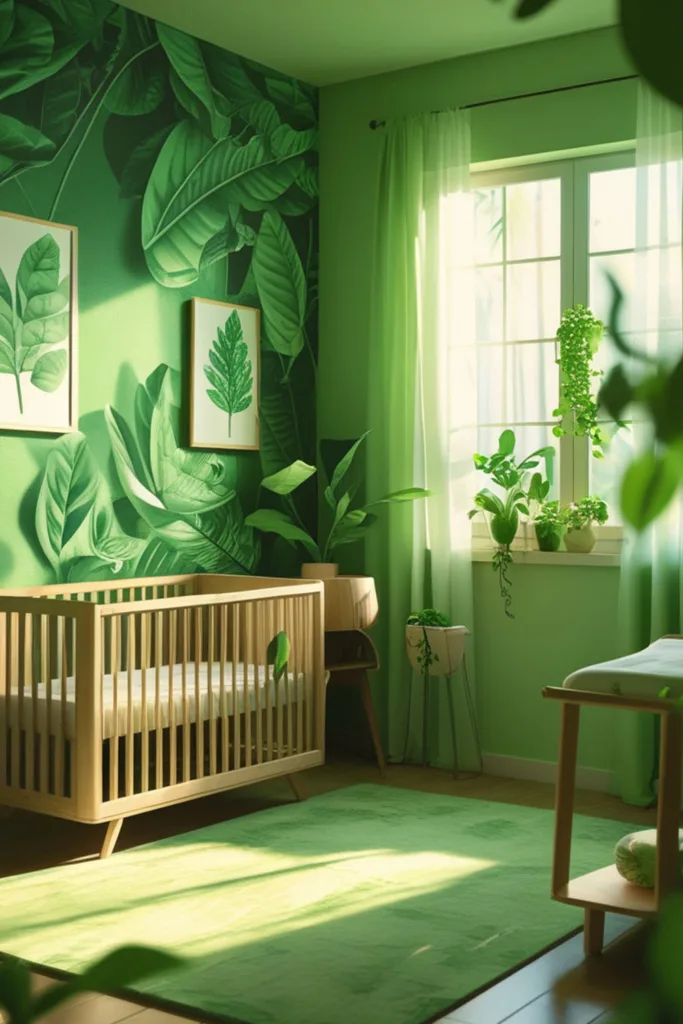
Leafy prints, natural tones, and gentle greenery create a refreshing and calming environment. 🤩
Botanical nurseries feel clean, peaceful, and modern, using nature as inspiration without overwhelming the space.
Perfect for eco-conscious families who value organic texture and soothing design.
Pros: Very calming; great for eco-minded families.
Cons: Avoid overuse of large dark prints.
🛶 12. Rustic Cabin / Little Explorer
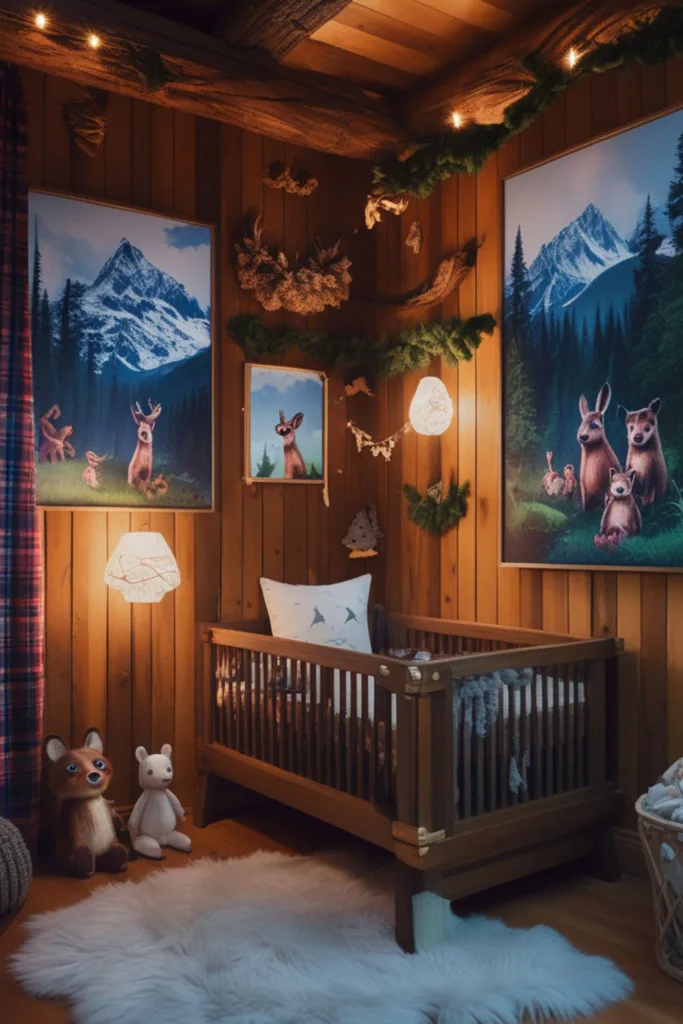
This cozy theme uses warm woods, layered textures, and rustic details to create a snug cabin-inspired retreat. 😎
With subtle adventure motifs and charming accents, it’s ideal for families who love the outdoors.
It’s inviting, warm, and perfect for colder climates.
Pros: Cozy, cute, great for cold-weather climates.
Cons: Wood-heavy rooms need good lighting.
🚂 13. Vintage Storybook
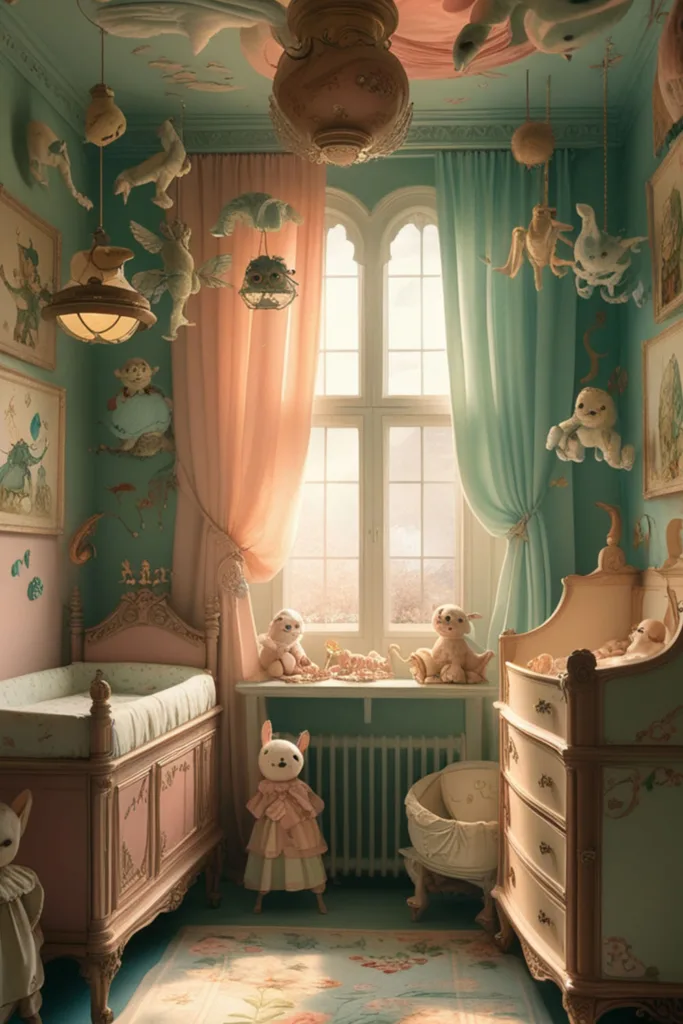
Classic illustrations, soft colors, and whimsical touches give this theme an enchanting, timeless feel. 😍
It’s a nostalgic nod to beloved children’s books while still remaining elegant and modern.
Vintage Storybook rooms feel imaginative, sweet, and full of charm.
Pros: Charming, nostalgic, heirloom-friendly.
Cons: Requires careful styling to avoid feeling old-fashioned.
🧭 14. Nautical (Updated)
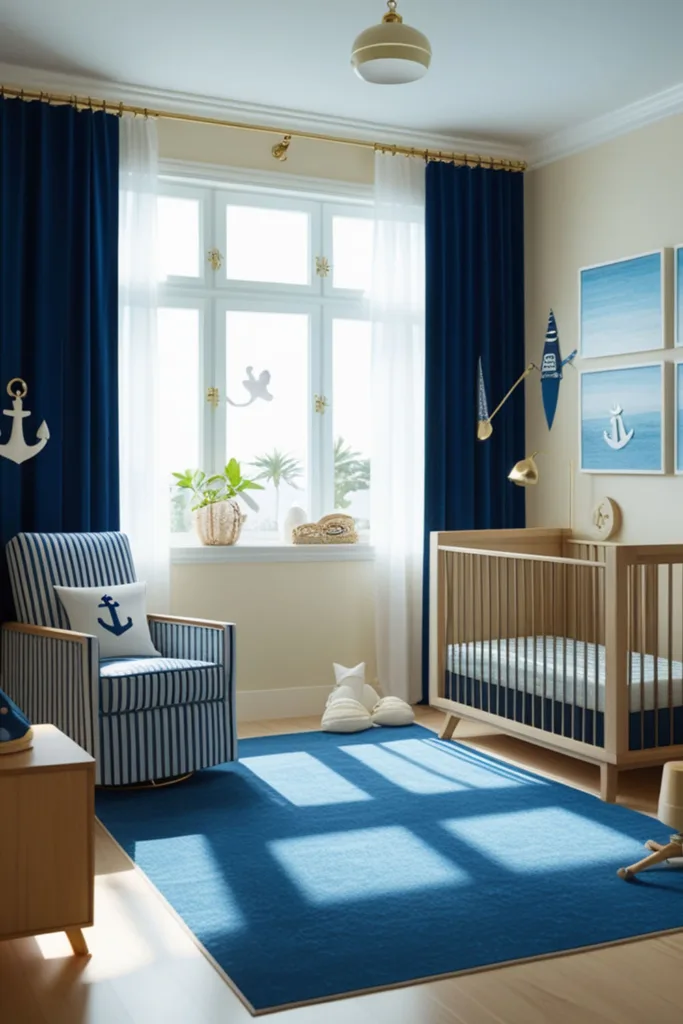
A sophisticated update to traditional nautical décor, this theme uses navy, cream, and subtle marine elements for a fresh, coastal-inspired space. 🫣
Clean lines and modern accents keep it timeless instead of cliché.
It’s crisp, polished, and relaxing.
Pros: Classic with a modern twist.
Cons: Must avoid cliché motifs like anchors everywhere.
🔵 15. Blue + Natural Wood Modern
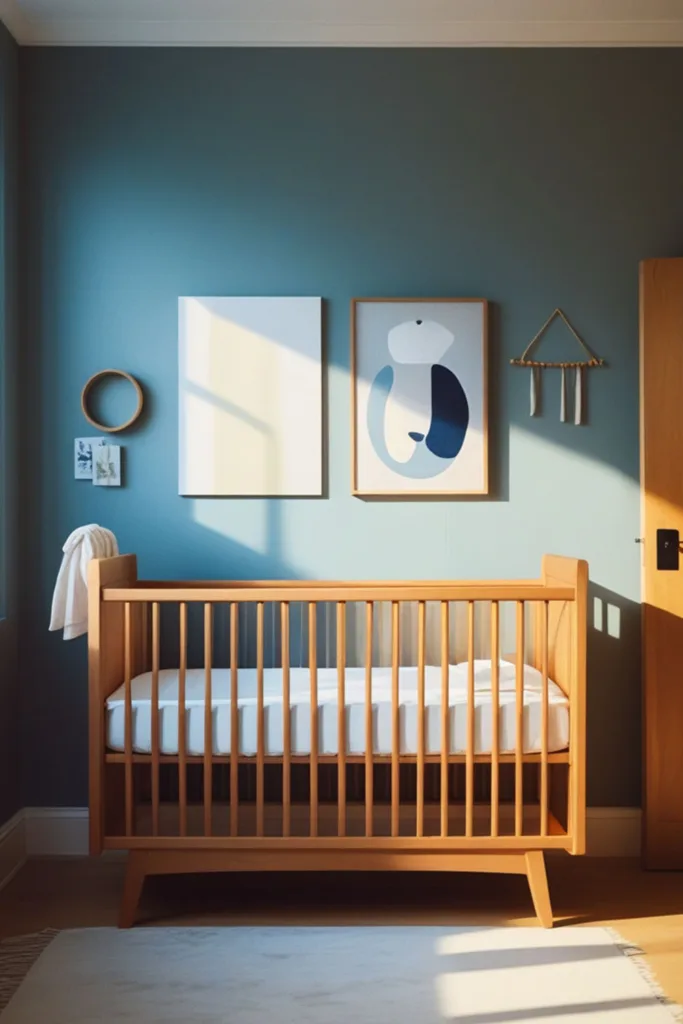
Misty blues paired with warm natural woods create a stylish, modern take on boy nursery design. 😲
This palette feels soothing and refined, offering a gentle pop of color without overwhelming the room.
It’s elegant, versatile, and perfect for modern homes.
Pros: Blue—but modern; soothing and refined.
Cons: Works best with the right shade of blue (dusty, not bright).
🎨 16. Color-Accented Neutral
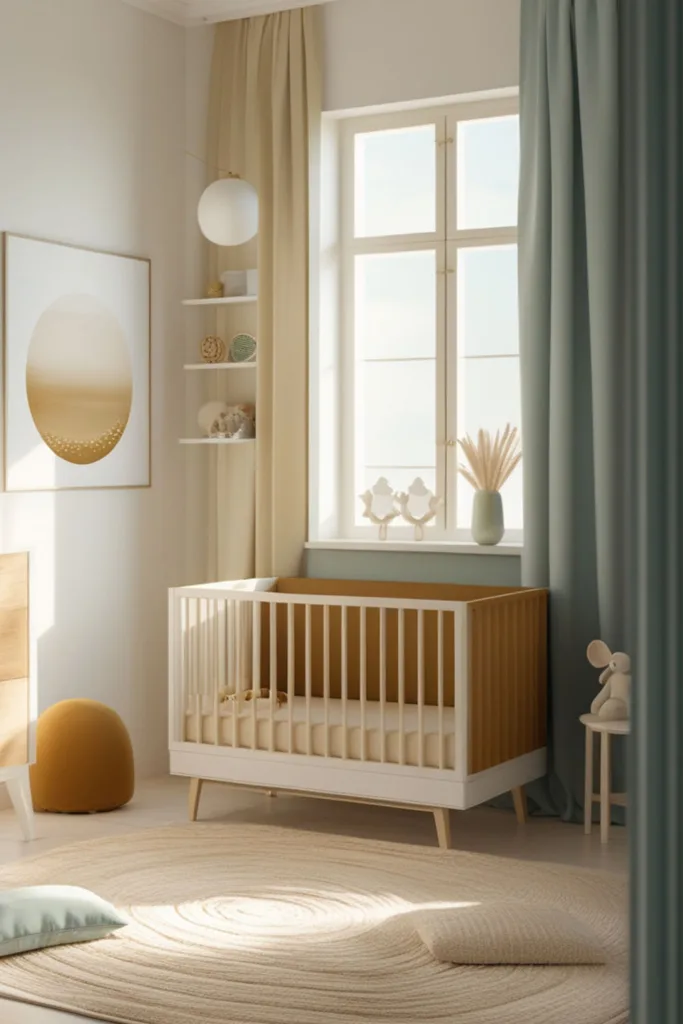
A neutral foundation paired with one signature color creates a clean, cohesive look that’s easy to update as baby grows. 😇
This theme blends flexibility with style, allowing parents to personalize without clutter.
Simple, modern, and customizable.
Pros: Extremely versatile; easiest to update.
Cons: Requires discipline to stick to the palette.
🧺 17. Cozy Hygge
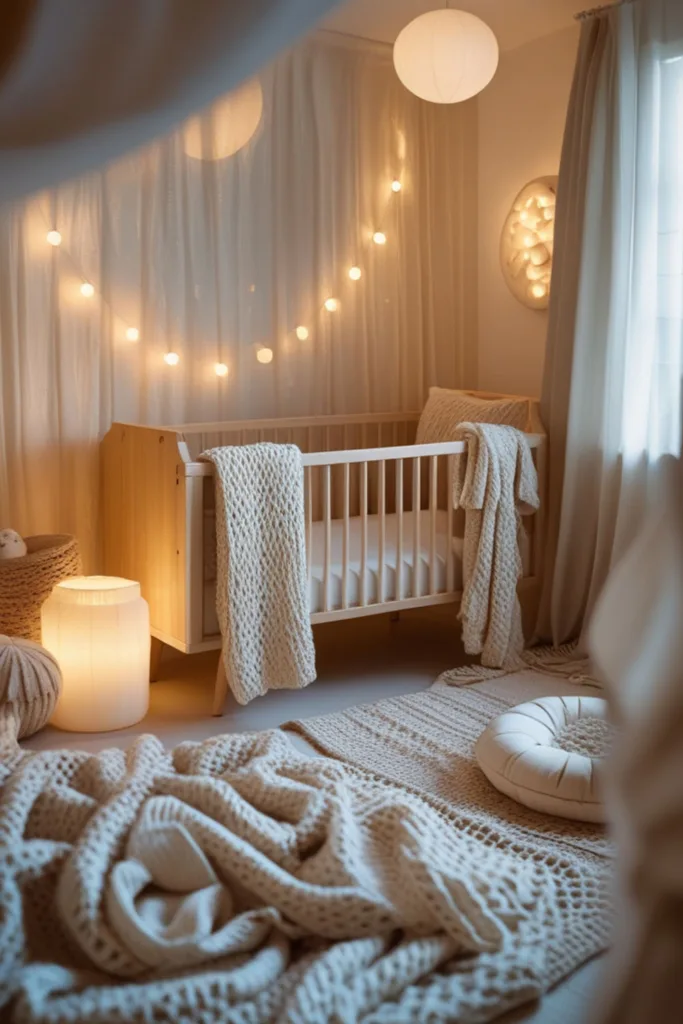
Inspired by Scandinavian coziness, this theme embraces warmth, softness, and comfort. 😁
Thick knits, warm lighting, and natural woods make the space perfect for quiet bonding moments.
It’s deeply soothing and ideal for creating a serene nighttime routine.
Pros: Extremely cozy; perfect for bonding and feeding time.
Cons: Needs durable fabrics for real-life messes.
🌙 18. Neutral Modern Farmhouse
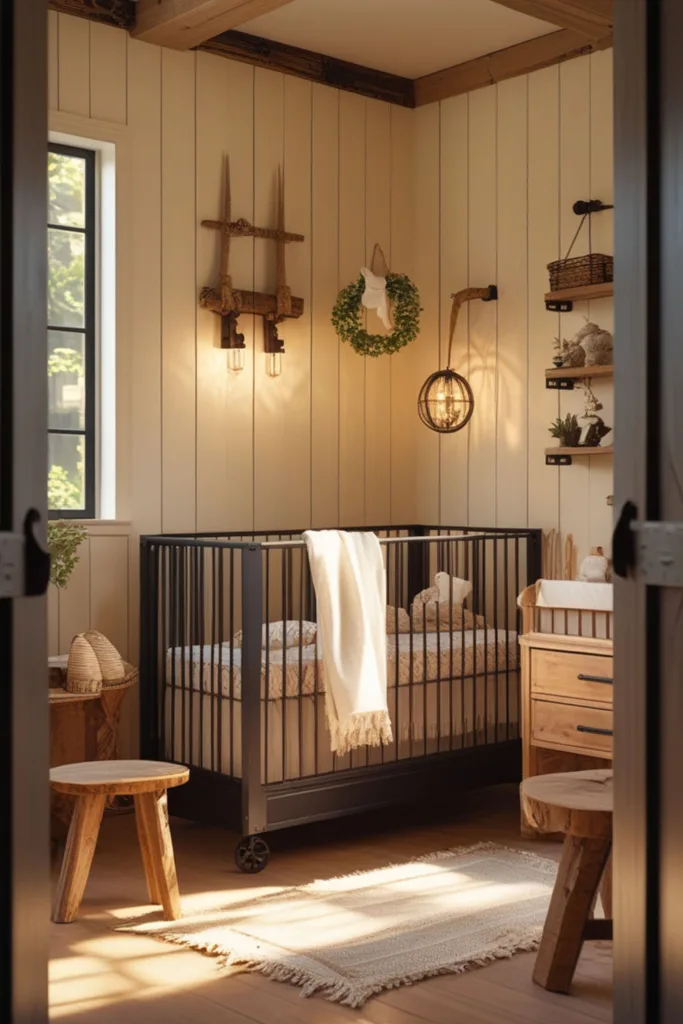
A clean, modern farmhouse look with warm woods, creamy neutrals, and black-metal accents. 🤗
It’s simple, homey, and stylish, creating a welcoming nursery that feels both modern and classic.
This theme works beautifully in a variety of home styles.
Pros: Popular, warm, clean aesthetic.
Cons: Overdone if not personalized enough.
🎡 19. Whimsical Playland
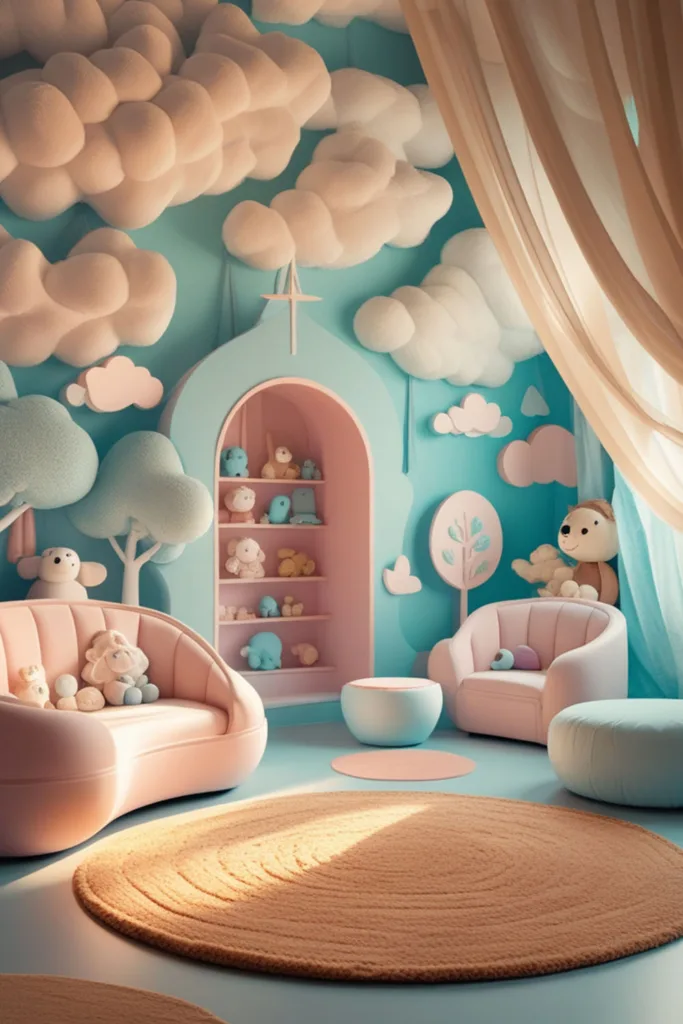
A gentle, imaginative space filled with whimsical shapes, soft murals, and playful elements. 🥰
This theme combines creativity with calm, using color and illustration in subtle, soothing ways.
It’s fun, magical, and perfect for stimulating early imagination.
Pros: Great for imaginative vibes; playful but calm.
Cons: Some murals can be expensive or hard to reverse.
🚀 20. Modern Space / Little Astronaut

A futuristic yet soothing theme inspired by outer space. 🫣
Muted navy walls, gentle star patterns, and planet mobiles create a dreamy cosmic atmosphere.
It’s playful enough for a baby yet mature enough to grow into childhood, making it a long-lasting design choice.
Pros: A preschool-friendly theme that grows into childhood.
Cons: Dark walls need balancing with warm lighting.
How to Choose the Right Nursery Style for Your Home
With so many beautiful baby boy nursery ideas to choose from, the hardest part is often narrowing down your favorites and figuring out what will work in your home.
A nursery isn’t just a pretty space—it’s where you’ll feed, rock, change, soothe, and bond with your baby at all hours of the day and night.
Here’s how to choose a style that fits your lifestyle, space, budget, and long-term needs. 😛
1. Start With Your Home’s Existing Style
Your nursery should feel like a natural extension of your home.
Ask yourself:
- Does your home lean modern, traditional, boho, farmhouse, or minimalist?
- Would a bold theme clash with the rest of your interiors?
- Do you prefer muted neutrals or colorful spaces?
💢 Tip: Matching the nursery to your home’s overall aesthetic makes the room feel intentional and cohesive.
2. Consider the Size and Layout of the Room
Certain themes or palettes thrive in specific spaces. 😉
For small rooms:
- Choose light or neutral colors.
- Pick minimalist or Scandinavian themes.
- Use vertical storage to maximize space.
For large rooms:
- Darker colors or bold murals can work beautifully.
- Consider cozy, warm themes like Hygge or Rustic.
For awkward layouts:
- Avoid bulky furniture.
- Keep crib placement simple and accessible.
3. Decide What Mood You Want the Space to Create
Nursery moods generally fall into three categories:
Calming & Sleep-Focused
- Sky & Clouds
- Scandinavian
- Botanical
- Blue + Natural Wood
Warm & Cozy
- Hygge
- Rustic Cabin
- Desert Boho
- Modern Farmhouse
Playful & Imaginative
- Whimsical
- Safari
- Space / Astronaut
- Adventure / Travel
Choose the one that aligns with the feeling you want during late-night feedings and quiet bonding moments. 🙄
4. Think About Longevity and Growth
Some themes age better than others.
Best Long-Term Themes:
- Adventure / Travel
- Space
- Scandinavian
- Blue + Natural Wood
- Botanical
- Montessori
Themes That May Feel Baby-Specific:
- Teddy Bear
- Whimsical
- Sky / Cloud
- Vintage Storybook
If you plan to keep the room for years, choose a theme that can evolve with simple décor updates. 😉
5. Evaluate Your Budget
You can create a beautiful nursery at any budget. 🤑
Low budget:
- Neutral paint
- Affordable wall decals
- Simple furniture
- DIY artwork
- Thrifted shelves
Mid-range:
- Statement rug
- Themed wallpaper
- Custom prints
- Lighting upgrades
High-end:
- Muralist artwork
- Premium furniture
- Designer décor
- Custom built-ins
Choose a theme that can scale with your budget — minimalist designs are the most cost-effective.
6. Prioritize Function Over Aesthetic
Even the most beautiful nursery will feel impractical if it’s hard to use.
Before picking a style, think through:
- Where will the crib go?
- Do you need a blackout curtain?
- Is the nursing chair positioned well?
- Where does storage make the most sense?
- Will the theme require high-maintenance décor?
Nurseries should support real life — messy, joyful, sleep-deprived life. 🥴
7. Identify Your “One Big Statement”
The best nurseries avoid overwhelming the space.
Choose ONE feature to shine: 🤫
- A statement wall
- A unique crib
- A beautiful rug
- A bold color
- A large mural
- A standout mobile
Once you have your anchor, build the rest of the room around it.
8. Make It Personal
Parents love nurseries that feel meaningful.
Ideas to personalize:
- Baby’s initial or name sign
- Custom artwork
- Items from your childhood
- Family travel photos
- Handmade blankets
- Books meaningful to you
Personal touches make a nursery warm, memorable, and unique. 🤗
9. Save Trendy Choices for Easily Replaceable Items
Trends change. Babies grow fast.
Use trend-driven pieces for things you can swap out:
- Throw pillows
- Wall prints
- Mobiles
- Shelf décor
- Bedding
Keep big items (crib, dresser, glider) more timeless.
10. Test the Theme With a Mood Board
Before you commit, gather photos and create a visual preview. 🥰
You can use:
Seeing all elements together prevents mismatched purchases and makes the final design feel cohesive.
How to Plan the Perfect Nursery Layout (Step-by-Step)
A beautiful nursery starts with a smart layout. Whether you’re working with a spacious room, a tiny nook, or a multifunctional space, planning the room correctly ensures safety, comfort, and smooth daily routines. The right layout can make late-night feedings easier, diaper changes faster, and sleep more predictable. 😇
Below is a step-by-step guide to setting up the room like a pro.
Step 1: Choose the Safest Spot for the Crib
Your crib placement matters for both safety and sleep quality. 😇
Where to place the crib:
- Against a solid wall (no windows)
- Away from vents, radiators, and heaters
- Away from blinds or cords
- Not directly under shelves
- Not in the center of the room
Babies sleep better when the crib is in a quiet, dim, cozy corner of the room — not near distractions or drafts.
Step 2: Create a Dedicated Feeding / Nursing Zone
Choose a comfortable corner or area where you’ll spend hours feeding, rocking, and soothing. 🤗
In this zone, include:
- A supportive glider or rocking chair
- A side table for bottles/water
- A small lamp or dimmable light
- A cozy blanket
- Burp cloths stored within reach
Place this area where you can softly light the space without waking the baby fully.
Step 3: Set Up a Practical Changing Station
The changing area needs to be both safe and efficient. 😍
Include:
- Dresser with changing topper or separate changing table
- Organizer with diapers, wipes, creams
- Hamper close by
- Extra onesies within arm’s reach
- A diaper pail
- Non-slip mat if table is separate
Think: “Everything accessible with one hand.”
Step 4: Use the Walls Strategically
Walls are prime real estate in nursery design — not just for décor. 🤩
Best uses:
- Floating shelves for books and décor
- Built-in shelves for organization
- A single statement wall or wallpaper
- Peg rails for hanging swaddles
- Growth chart or memory display
- Picture ledges for rotating themed prints
Avoid placing heavy frames directly above the crib.
Step 5: Plan Smart Storage Solutions
A baby may be tiny, but they come with stuff — and lots of it. 🙃
Storage ideas for any space:
- Under-crib baskets or drawers
- Cube organizers
- Closet dividers for 0–3, 3–6, 6–12 months
- Labeled baskets
- Over-the-door organizers
- Dresser drawer dividers
- Hidden storage ottomans
Functional storage keeps the room tidy and makes daily life easier.
Step 6: Prioritize Lighting That Supports Sleep
Lighting can make or break bedtime. 😐
Ideal nursery lighting setup:
- Overhead light with dimmer
- Soft lamp for feeding
- Warm-toned bulbs
- Blackout curtains for naps
- Optional night-light (red or amber is best)
Avoid bright white or blue light during nighttime feeds — it wakes the baby fully.
Step 7: Consider Noise & Acoustics
Real-life homes aren’t quiet — but your nursery can be. 🤫
Tips:
- Use a white noise machine near the door or hallway
- Add rugs, curtains, and cushions to absorb sound
- If your walls are thin, position the crib farthest from shared walls
- Soft textiles help make the nursery feel cozy & quiet
Step 8: Allow Space for Future Growth
Your baby will grow faster than you expect. Plan ahead. 🤔
Make room for:
- Future toddler bed
- Play area or reading corner
- Additional storage for toys
- Toddler-proofed furniture layout
Choosing adaptable furniture can save money long-term.
Step 9: Create a Clear Walking Path
Middle-of-the-night walks should be effortless and safe. 🤠
Ensure:
- No clutter between crib and glider
- Diaper essentials are reachable without stretching
- You can move in the dark easily
- Rugs are slip-proof
A good layout feels intuitive, even when you’re half-asleep.
Step 10: Do a “Day in the Life” Test Before Baby Arrives
Once the room is mostly set up, walk through your daily routine as if baby is already here:
- How far is the diaper cart from the changing table?
- Can you set your phone down while nursing?
- Do you have room for the stroller or carrier to be stored?
- Is there a spot for the baby monitor?
- Does the lighting feel right at night?
This step helps catch issues early and ensures a smooth, functional setup. 😀
Essential Nursery Furniture: What You Really Need (and What You Don’t)
Designing a nursery often comes with pressure to buy every baby product on the market — but the truth is, you only need a handful of key items to create a functional, safe, and beautiful nursery. The right furniture sets the foundation for your entire design and daily routines. 🙄
Here’s a breakdown of what’s essential, what’s optional, and what you can skip entirely to save money and space.
Must-Have Nursery Furniture
1. Crib or Bassinet
The crib is the anchor of the nursery.
Choose one that meets current safety standards and fits your room’s layout. 😇
What to look for:
- JPMA-certified
- Adjustable mattress heights
- Sturdy construction
- Non-toxic finishes
Convertible cribs make a great long-term investment, transforming into toddler and full-size beds.
2. Firm, Safe Crib Mattress
A high-quality mattress supports healthy sleep and reduces SIDS risks.
Features to consider:
- Firm (not soft)
- Breathable materials
- Hypoallergenic
- Waterproof or washable covers
A mattress matters more than a fancy crib — don’t skimp here.
3. Dresser or Changing Table
A dresser with a changing topper is the most space-efficient setup. 😉
Why this combo works:
- Saves space
- Lasts beyond the baby stage
- Offers tons of storage
- Safer and more stable than freestanding changing tables
Look for soft-close drawers, stable construction, and a comfortable height for parents.
4. Comfortable Nursing or Feeding Chair
You’ll spend hundreds of hours feeding and soothing your baby — comfort is essential. 😎
Look for:
- Supportive arms
- Smooth rocking/swivel motion
- Easy-clean fabric
- Lumbar support pillow
- Quiet movement (no squeaks!)
Choose a chair that fits your height and comfort needs — it makes a bigger difference than most people expect.
5. Storage Solutions
Babies outgrow clothes fast, and clutter builds up quickly. Plan for storage early. 😍
Storage must-haves:
- Dresser
- Closet organizers
- Bookshelves or picture ledges
- Baskets/bins
- Under-crib storage
Vertical storage helps small rooms feel bigger and stay organized.
Optional — But Very Helpful — Nursery Furniture
These items aren’t essential but improve convenience and functionality.
1. Side Table Next to the Chair
Useful for:
- Bottles
- Water
- Phone
- Pacifiers
- Lamps
- Breastfeeding supplies
Choose a stable table with rounded corners. 😉
2. Bookshelf / Display Ledges
Perfect for adding personality and encouraging early reading. 😁
Tip: Keep heavy items away from above the crib area.
3. Ottoman or Footrest
Adds comfort during feeding sessions and helps maintain good posture. 🤗
4. Toy Storage Unit
Useful once baby becomes mobile. 😛
Opt for a small cube shelf that doubles as décor.
5. Small Play Mat or Area Rug
Improves floor comfort, defines space, and absorbs noise.
Choose a washable or low-pile rug for easy cleaning.
What You Don’t Need (Save Money & Space)
Many nursery items are marketed as “must-haves,” but most parents rarely use them. Skip these unless you have a very large room or specific needs.
1. Changing Table (Separate Unit)
A dresser with a topper is:
- Safer
- More functional
- Longer-lasting
- Space-saving
Standalone changing tables quickly become useless. 😩
2. Nursery-Only Furniture Sets
Matching crib/dresser/changing table sets look nice but aren’t necessary. 🤔
Mix-and-match pieces often look more modern and cost less.
3. Overly Themed Furniture
Avoid items like:
- Character-shaped chairs
- Themed cribs
- Novelty lamps
They date quickly and don’t grow with your child.
4. Large Toy Chests
Huge boxes become clutter traps. 🥴
Small, labeled bins are easier to maintain.
5. Extra Seating for Visitors
You won’t need multiple chairs — one comfortable glider is enough. 😇
How to Choose the Right Furniture for Your Space
Small Rooms
- Choose compact furniture
- Skip unnecessary items
- Use vertical shelving
- Pick light colors
Medium Rooms
- Add a reading nook
- Include a small bookshelf
- Use a larger rug to ground the space
Large Rooms
- Create zones (sleep, play, nursing)
- Add extra storage or a daybed
- Space out furniture for better flow
Pro Tip: Plan Furniture Around Routines 😁
Think through your daily flow:
- Where will night feedings happen?
- How close is the changing station to diaper storage?
- Is the chair close to an outlet for pumping or bottle warmers?
A nursery designed for real-life routines makes parenting easier and reduces stress.
Must-Have Nursery Décor & Styling Tips
The right décor transforms a functional nursery into a warm, soothing, personality-filled space. But décor should do more than look cute — it should support your baby’s development, help calm overstimulation, and grow gracefully with your child. 🤠
These styling tips blend aesthetics with practicality to create a nursery that feels curated, cozy, and timeless.
1. Choose a Cohesive Color Palette (Soothing Wins)
A calm room helps regulate your baby’s nervous system. 🤗
Start with 2–3 base colors and add soft accents.
Recommended palettes for baby boy nurseries:
- Sage green, cream, and natural wood
- Navy, dove gray, and white
- Terracotta, sand, and oatmeal
- Sky blue, cloud gray, and warm beige
- Charcoal, ivory, and camel tones
Pro tip: Avoid overly bold, high-contrast patterns on all four walls — save big patterns for one feature wall.
2. Add Texture for Warmth and Development
Texture makes a nursery feel cozy and visually rich without adding clutter. 😜
Where to add texture:
- Knit blankets
- Bouclé chair upholstery
- Woven baskets
- Rattan or cane furniture
- Chunky rugs
- Linen curtains
- Soft wall taping or molding
Texture also supports early sensory development.
3. Use Wall Art to Tell a Story
Wall art is where you can express theme, personality, and creativity. 😍
Try:
- Large-scale canvas or framed prints
- Gallery wall above dresser
- Personalized name signs
- Fabric wall hangings
- Shadow boxes with heirlooms
Rule of thumb: Keep heavy frames away from the crib and changing area.
4. Incorporate Safe, Soft Lighting Layers
Lighting is one of the most overlooked nursery styling elements — but it dramatically affects sleep quality and nighttime routines. 🥰
Include these lighting layers:
- Soft overhead lighting with dimmer
- Warm bedside lamp for story time
- Motion-activated nightlight for diaper changes
- Blackout curtains to regulate daylight
Choose bulbs with 2700K warm temperature to avoid harsh blue light.
5. Add Personalized Elements Without Over-Theming
Personalization makes the room feel special, without locking you into a theme your child outgrows. 😁
Ideas:
- Baby’s initials or wooden name sign
- Custom birth announcement print
- A framed family photo wall
- Handmade quilt or crochet keepsakes
- A personalized growth chart
Avoid huge, character-heavy murals unless you’re committed long-term.
6. Bring in Nature for Calmness
Nature-inspired décor helps create a serene, grounded environment. 🤠
Easy ways to do this:
- Botanical wall prints
- Wood toys on display
- Neutral woven baskets
- Nature-inspired mobiles
- Faux plants (safe alternative to real ones)
- Green accent wall
Research shows babies respond positively to soft earth tones and natural shapes.
7. Styling With Rugs (Anchor the Room)
A rug anchors your design visually and provides comfort for tummy time. 🤩
Choose:
- Low-pile washable rugs
- Neutral pattern or texture
- Round rugs to soften small spaces
- 5×7 or 6×9 for medium rooms
- Non-slip base for safety
Avoid high-pile or shag rugs — choking risks + dust traps.
8. Mix Practical Decor with Playful Touches
The best nursery décor blends style with real-life function.
Functional décor ideas:
- Display books as art on floating ledges
- Use decorative baskets for toy storage
- Add patterned ottomans that hide clutter
- Choose wall hooks shaped like animals or stars
- Style dresser with useful items (humidifier, lamp, diffuser)
Think beautiful and useful.
9. Use Statement Decor Sparingly but Intentionally
A strong focal point creates wow-factor without overwhelming the room. 🫣
Popular statement pieces:
- Accent wall (paint or wallpaper)
- Oversized art print
- Unique mobile
- Stunning light fixture
- Canopy over reading nook
- Rattan wall mirror
Choose one major statement piece, then design around it.
10. Style to Grow — Not to Replace
Choose décor that evolves as your baby becomes a toddler, then a big kid.
Smart choices:
- Neutral bedding
- Classic rug patterns
- Timeless furniture silhouettes
- Art that isn’t “babyish”
- Storage that scales
Your future self will thank you.
11. Pro-Styling Formula: The 60-30-10 Rule
Use this interior design ratio for instant cohesion: 😍
- 60% neutral base
- 30% secondary tones
- 10% accent color
This keeps baby boy nurseries soothing rather than overstimulating.
Final Thoughts
Designing a baby boy nursery isn’t about following trends perfectly or buying all the right products — it’s about creating a space filled with comfort, intention, and love. Your baby won’t remember whether the wallpaper was designer or if the furniture matched perfectly. What he will experience is the warmth, safety, and calm you’ve poured into the room. 🤗🥰
Remember this:
There is no “perfect” nursery. There is only the perfect nursery for your family.
Take your time. Make decisions slowly. Add pieces that truly bring you joy.
Start with the essentials, create a cozy layout, and let the room evolve naturally as your little one grows. 😲
Whether you’re working with a big budget or a small one, a tiny room or a spacious one, classic style or playful themes — you’re already doing an amazing job. The very fact that you’re planning and dreaming means you’re creating a beautiful beginning for your baby boy.
Your nursery doesn’t need to look like Pinterest to be meaningful. 😜
It only needs to feel like home.
And you’ve got this. ❤️
You’re building more than a room — you’re building a world where your baby will feel loved, safe, and welcomed from the very first day.
FAQ — Baby Boy Nursery Ideas
Our FAQ on Baby Boy Nursery Ideas answers the most common questions parents have about designing a stylish, safe, and functional nursery. From choosing colors and layouts to picking furniture and décor, these quick expert tips help you plan your perfect baby boy’s room with confidence.